

HAND PROTECTION
Potential hazards to hands and arms include skin absorption of harmful substances, chemical or thermal burns, electrical dangers, bruises, abrasions, cuts, punctures, fractures or amputations. Protective equipment includes gloves, finger guards and arm coverings.
Types of Protective Gloves
There are many types of gloves available today to protect against a wide variety of hazards. The nature of the hazard and the operation involved will affect the selection of gloves. The variety of potential occupational hand injuries makes selecting the right pair of gloves challenging. In general, gloves fall into the following four categories:
- Leather, Canvas or Metal Mesh Gloves: These types of gloves protect against cuts, burns and punctures.
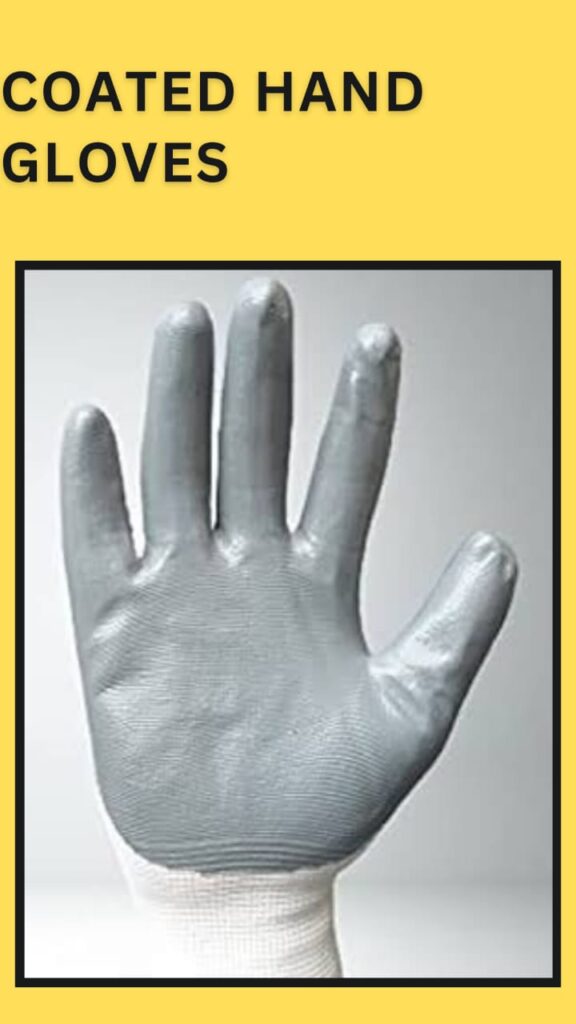
- Fabric and Coated Fabric Gloves: These types of gloves are made of cotton or other fabric. They generally protect against dirt, chafing and abrasions.
- Insulating rubber gloves: These gloves are used for protection against electrical hazards. For more information on insulating rubber gloves for electrical work, see Electrical Safety Protective Methods
- Chemical and liquid resistant gloves: When working with chemicals with a high acute toxicity, working with corrosive materials in high concentrations, handling chemicals for extended periods of time or immersing all or part of a hand into a chemical, the appropriate glove material should be selected, based on chemical compatibility. The following table includes major glove types and their general uses. This list is not exhaustive. For more information on chemical resistant glove selection, see PPE for Chemical Hazards or the Safety Data Sheet for a particular substance.